Salzwelten Salt Mines of Hallstatt
Skywalk & Salt Mine
The Salzberg - a True Family Experience
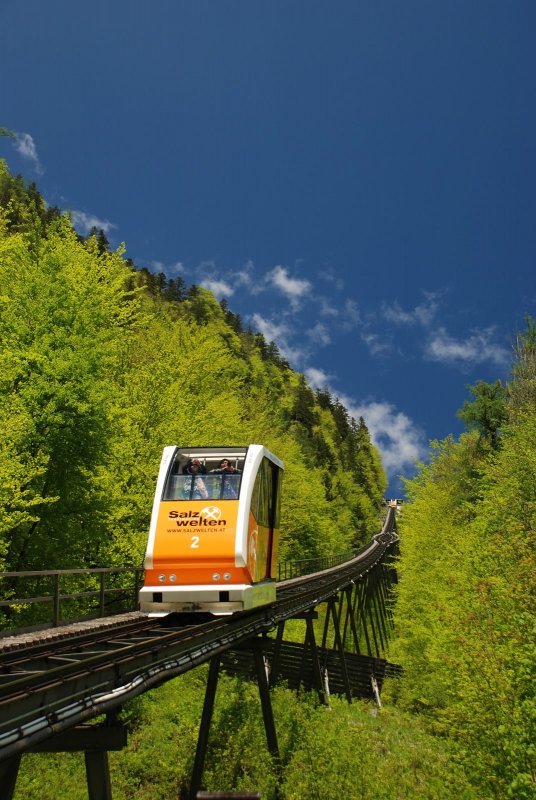
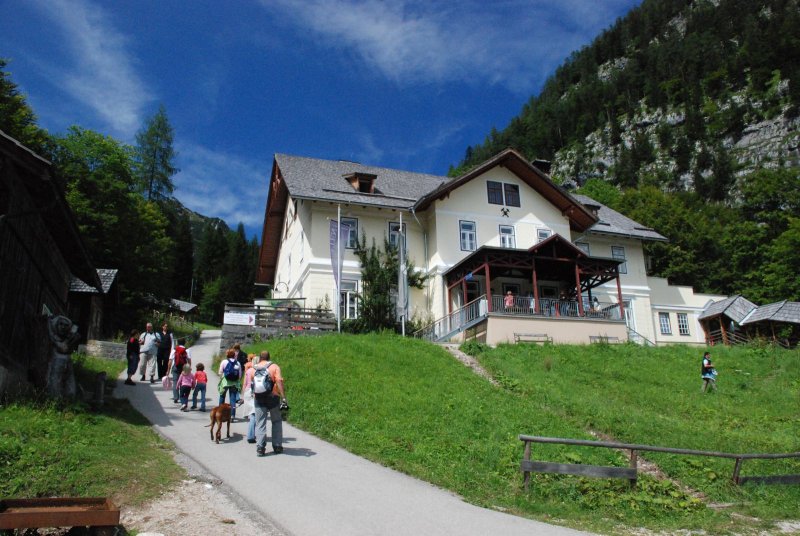
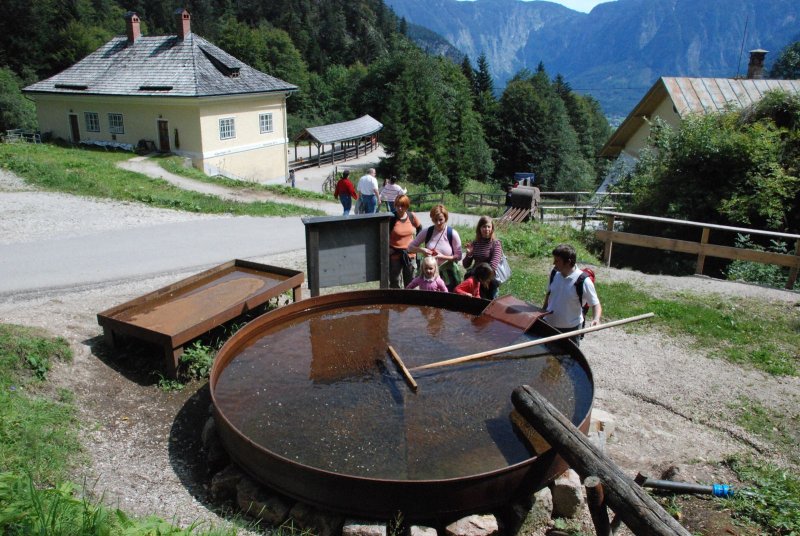
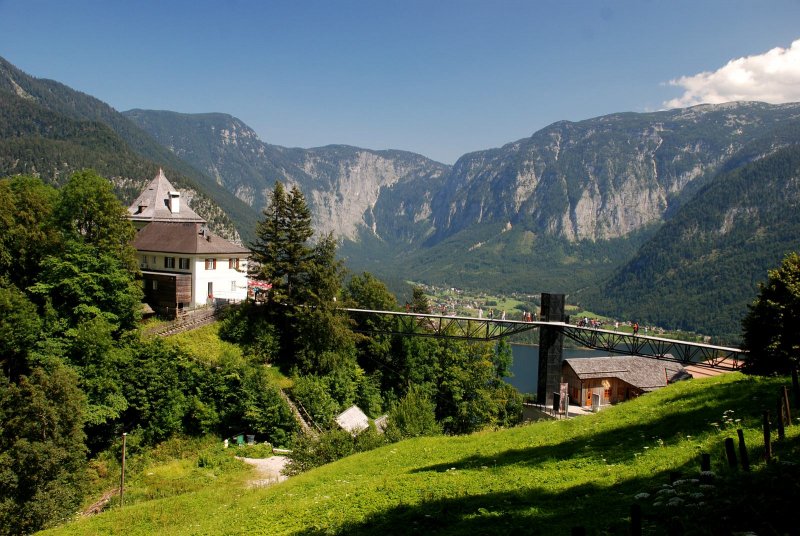
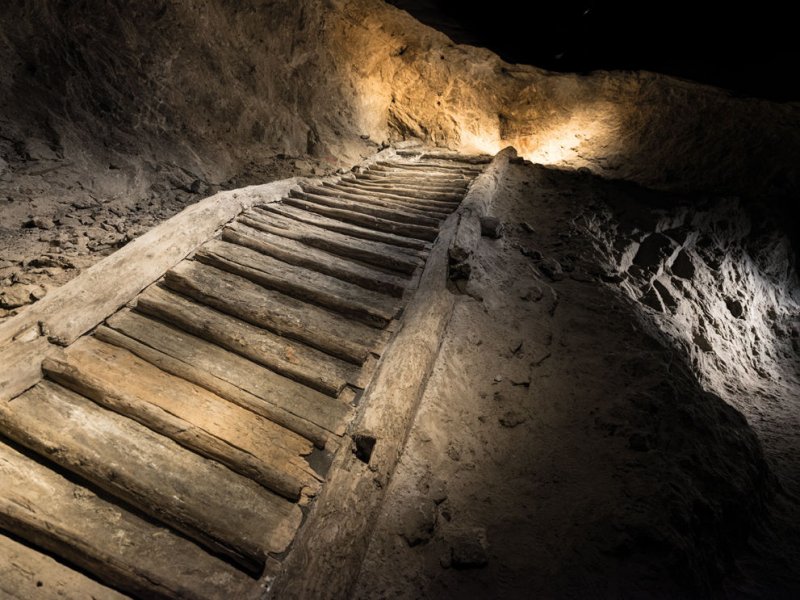
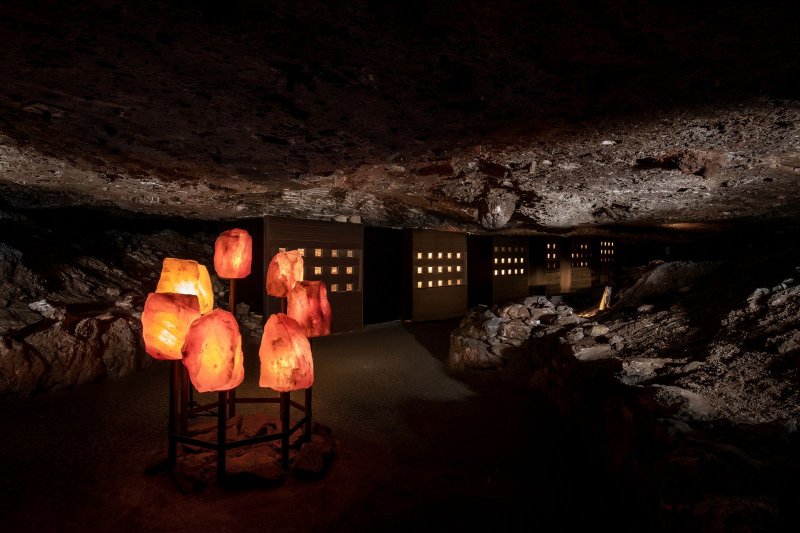
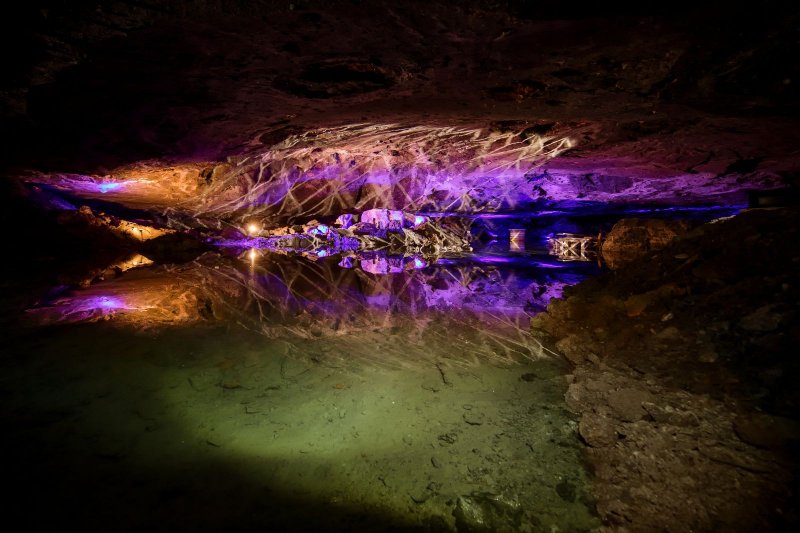
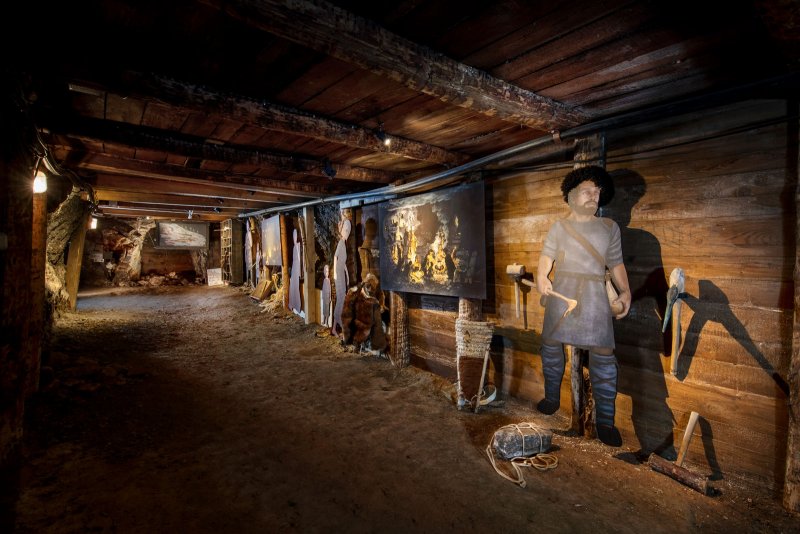
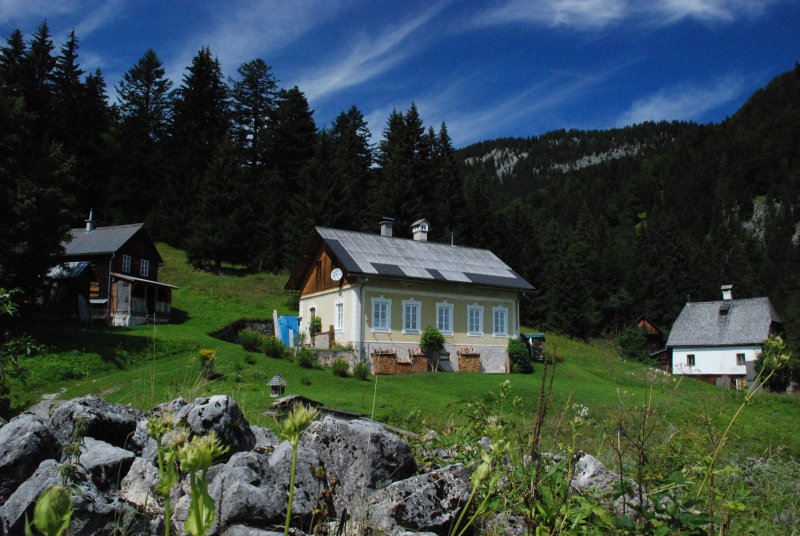
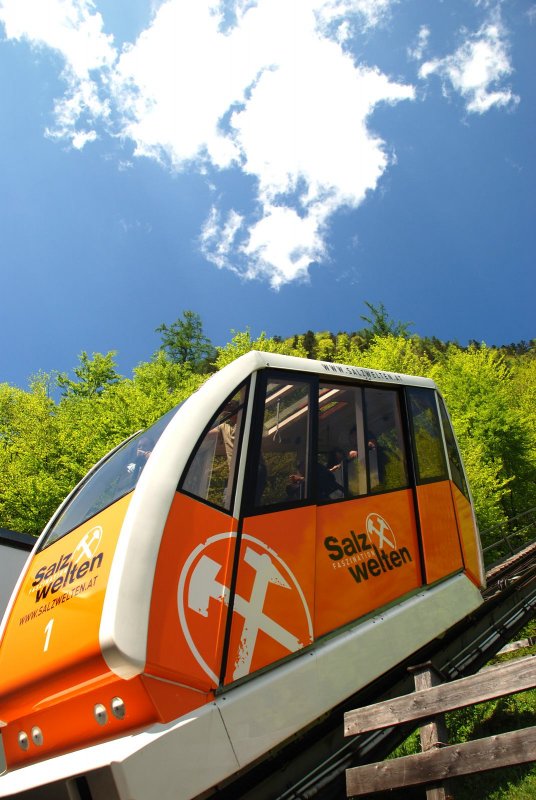
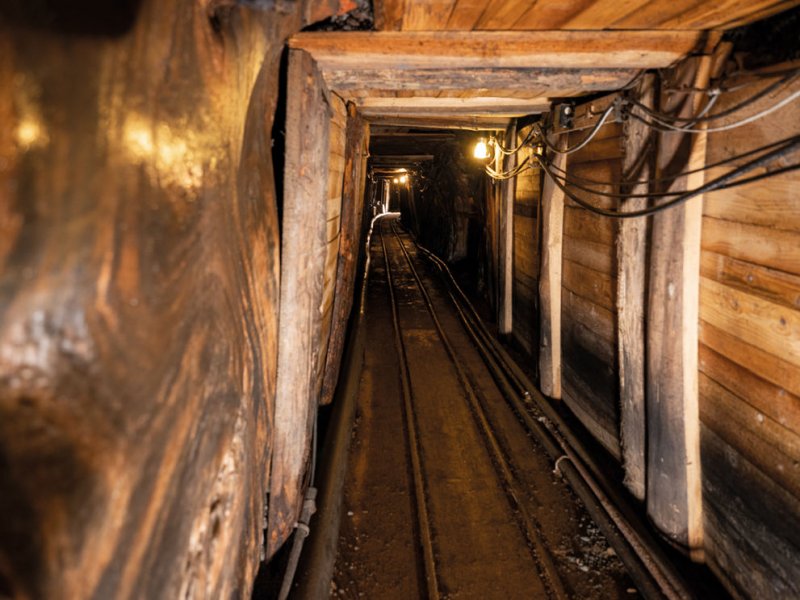
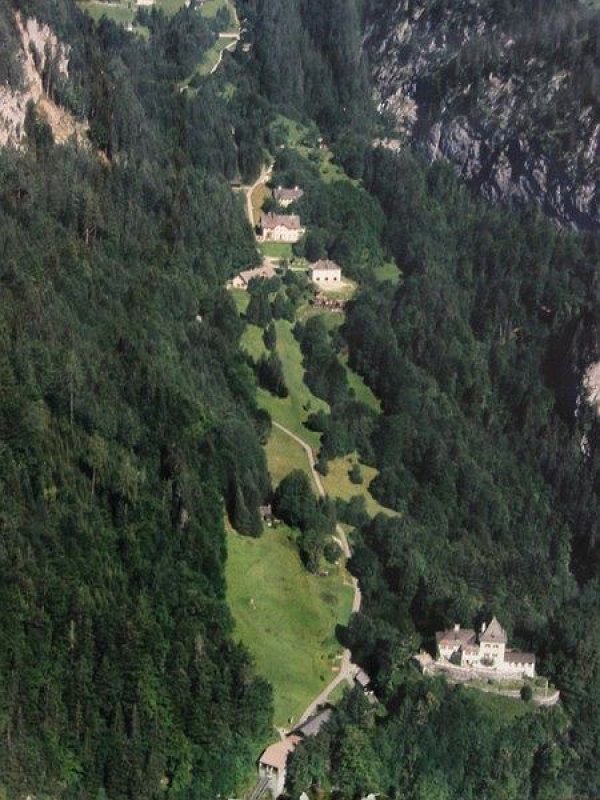
The Salzberg in Hallstatt is one of the most popular excursion destinations during a visit to the World Heritage town. The funicular railway takes you effortlessly up to the high valley at 838 metres above sea level. The ride takes about 5 minutes. Once at the top, a mountain full of possibilities awaits you: Whether it is the Skywalk or a visit to the oldest salt mine in the world, a delicious meal in the old Rudolfsturm or a trip to see the archaeologists - you'll find the right leisure activities here. In addition, the high valley is also the starting point for numerous hikes. We have summarised an extensive range of offers for you below. We hope you enjoy browsing and look forward to your visit to the Hallstatt Salzberg.
More from Mount Salzberg in Hallstatt
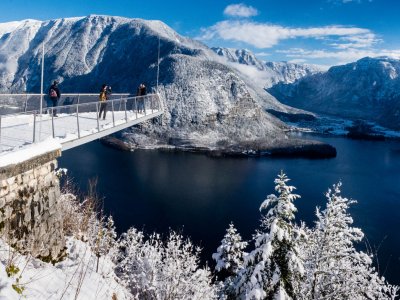
A Winters walk to the Skywalk
Fairytale landscapes high above Hallstatt. With thrills on the Skywalk and culinary delights in the Rudolfsturm. For all those looking for short excursion routes. A "must" during your wintry Hallstatt visit.
Rudolfsturm (Rudolf’s Tower)
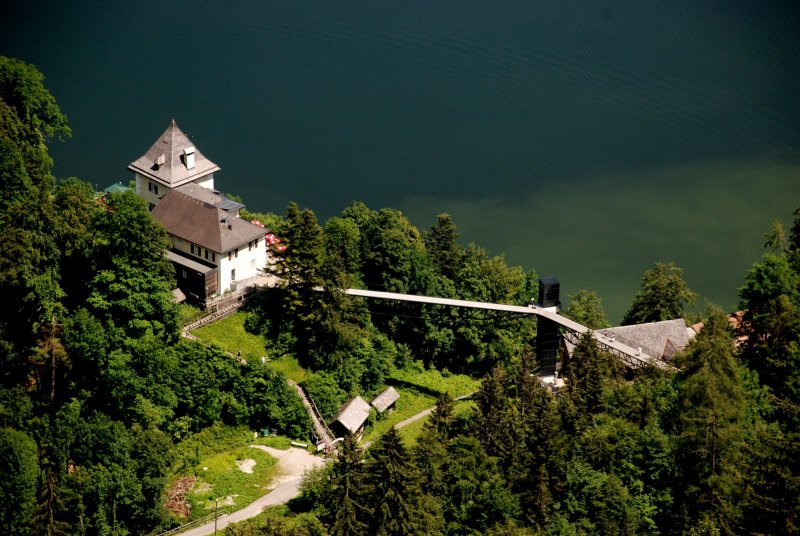
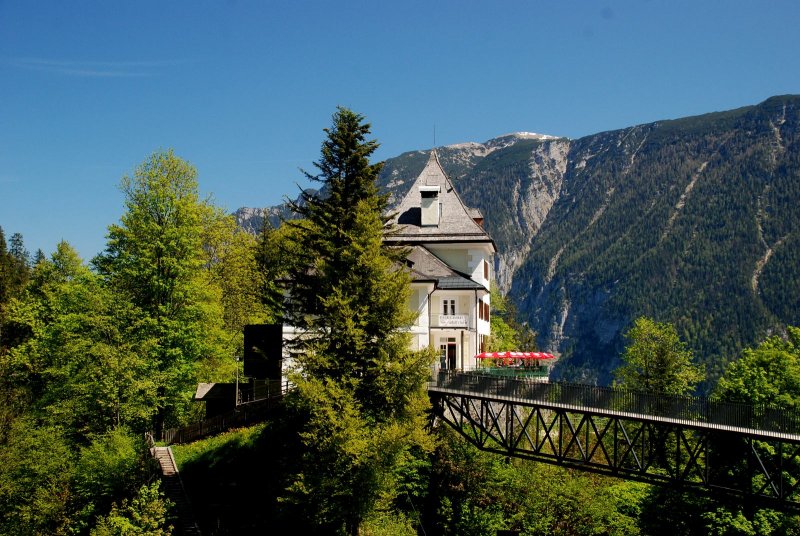
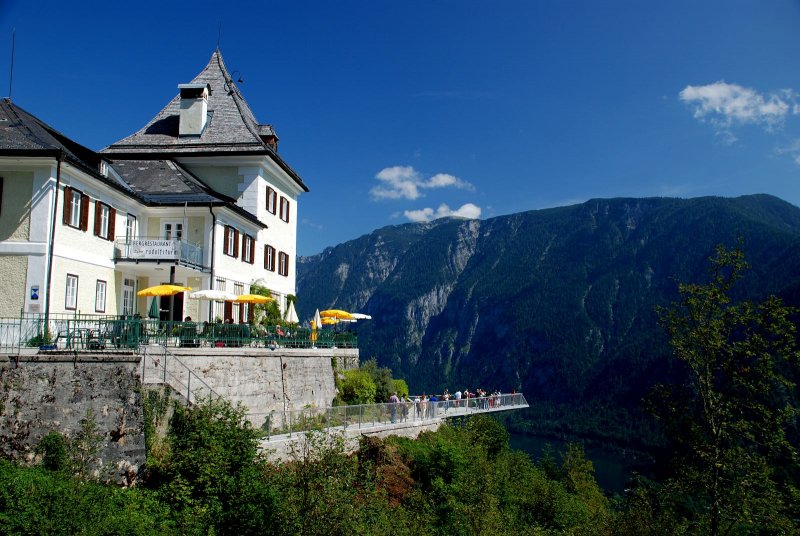
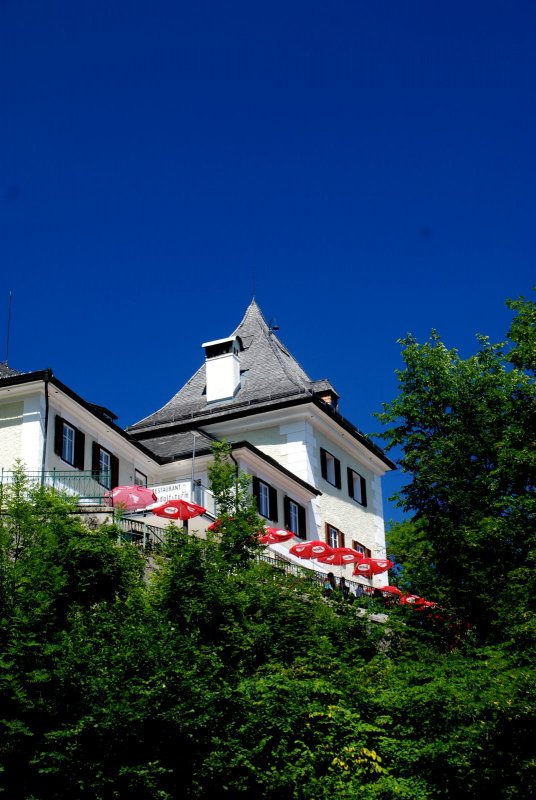
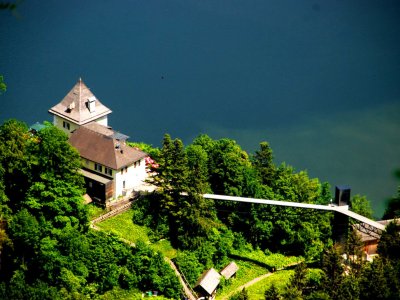
Hallstatt | Rudolfsturm: Standing at the entrance to the Salzberg high valley above Hallstatt, the original structure of the Rudolf’s Tower was a medieval defence tower dating back to the ate 13th century.
Shop & Visitors center in Hallstatt
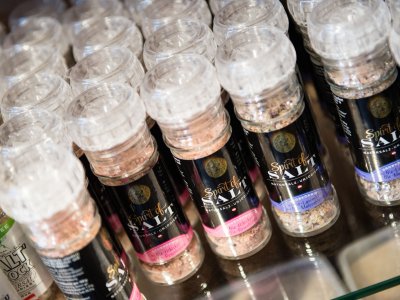
The flagship store at the cable statiom in Hallstatt offers year-round a wide assortment of souvenirs and salt products such as the natural salt line of the Salinen Austria "Spirit of Salt".
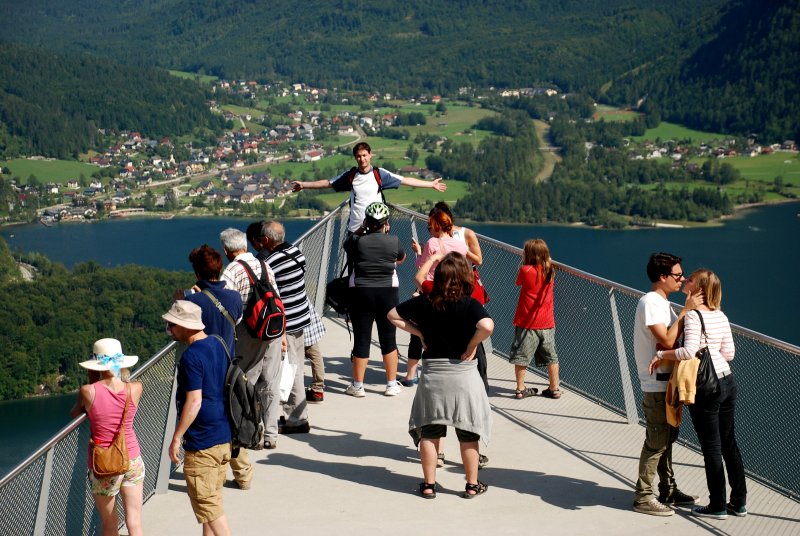
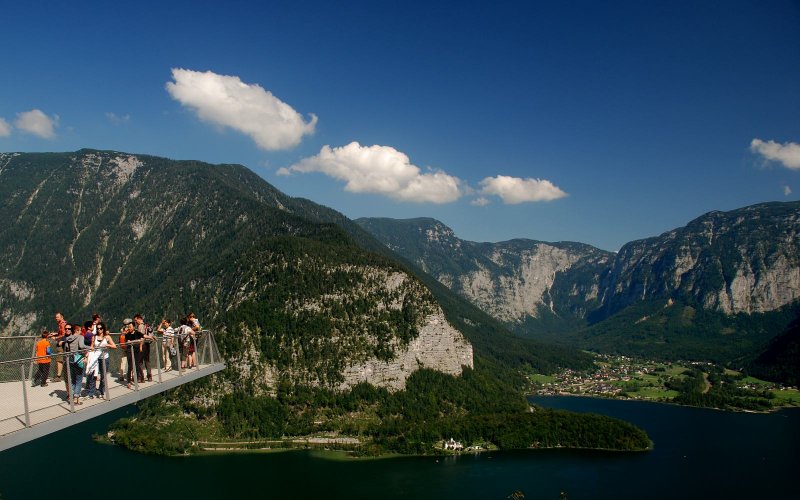
“Skywalk“ of Hallstatt
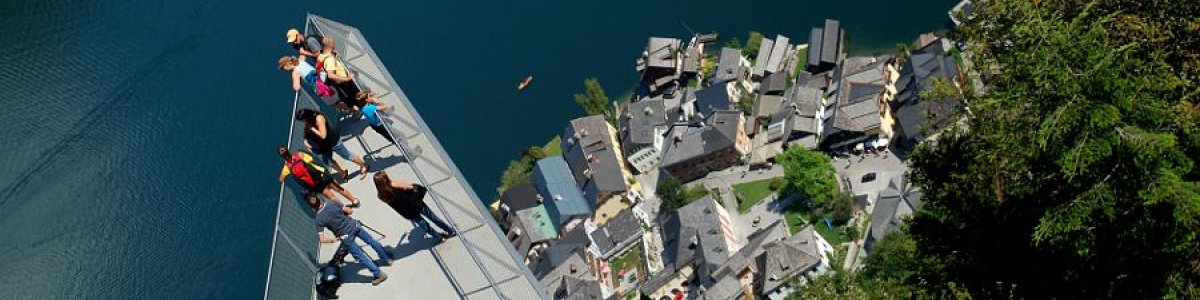
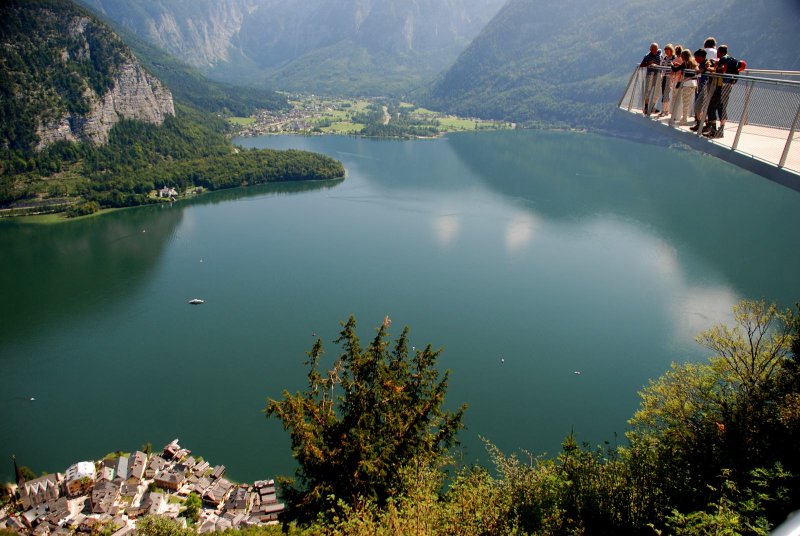
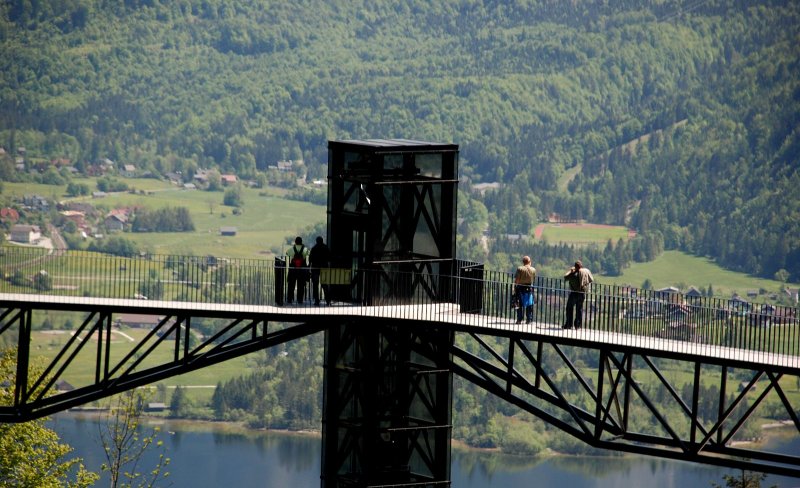
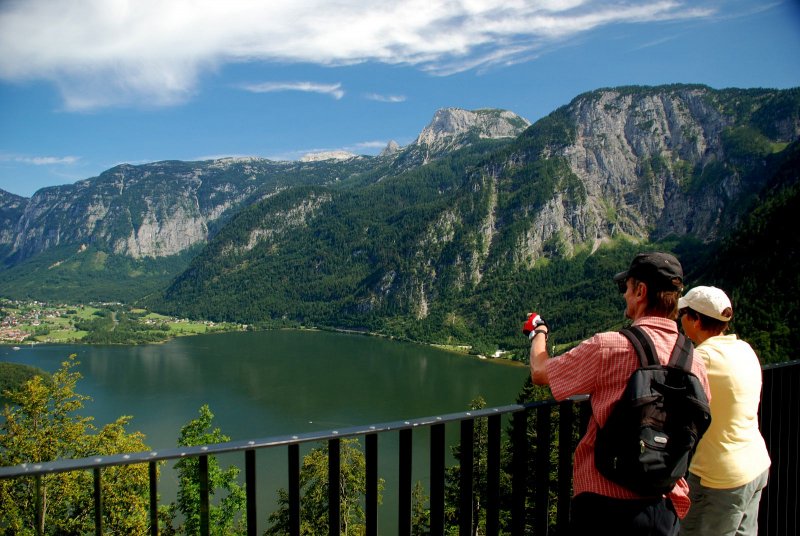
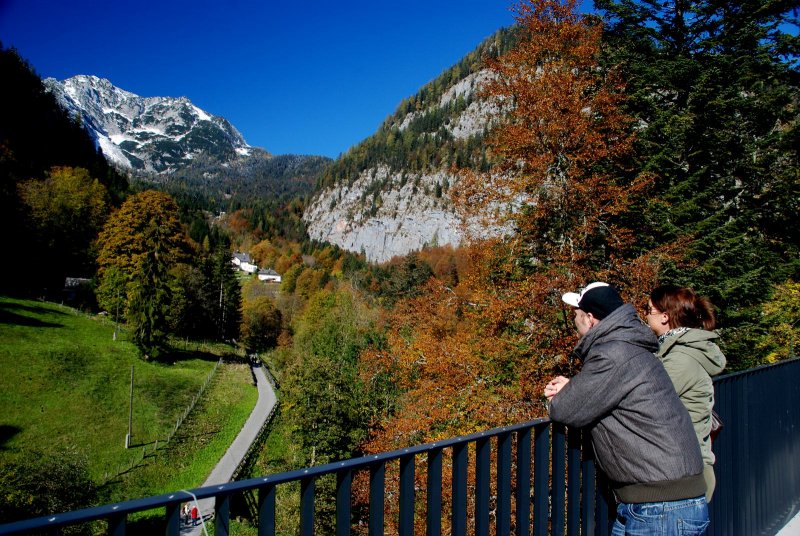
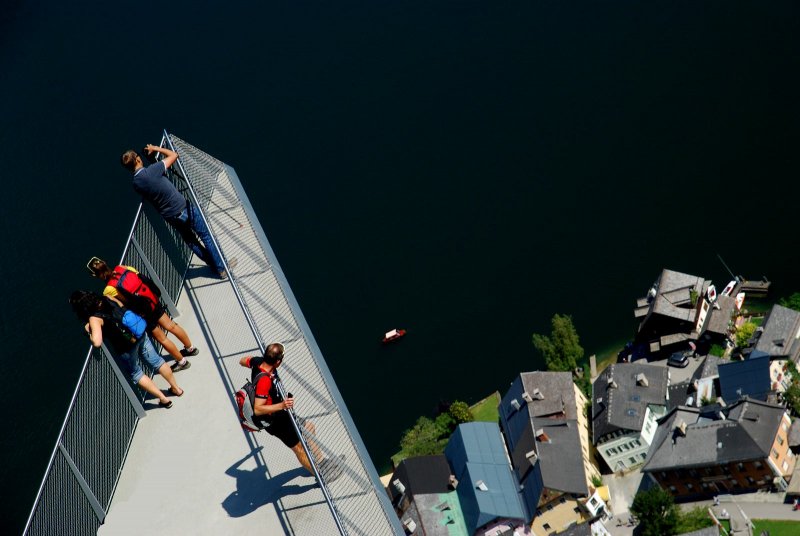
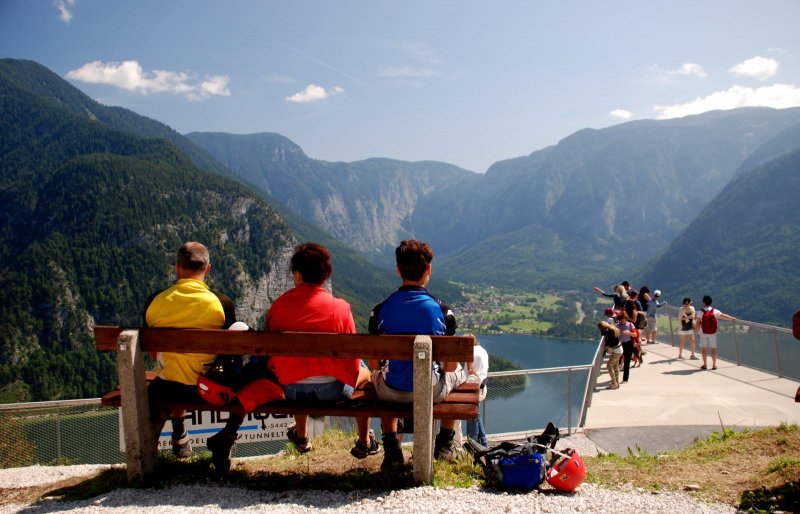
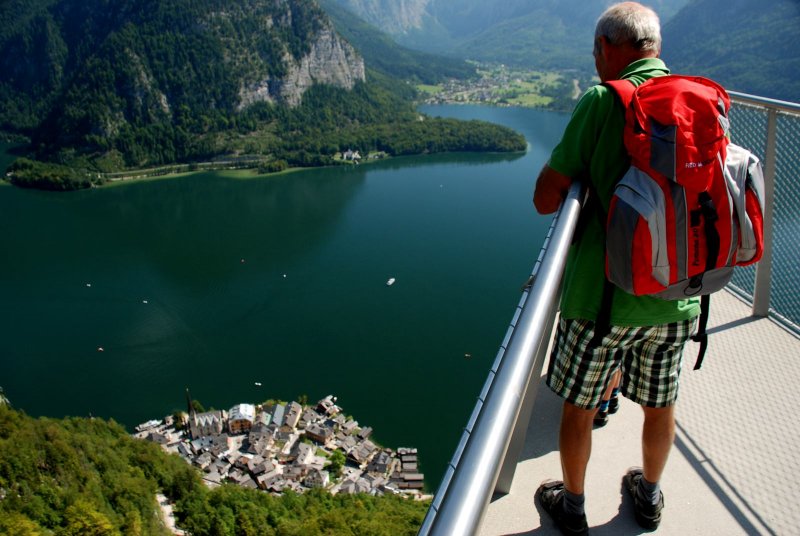
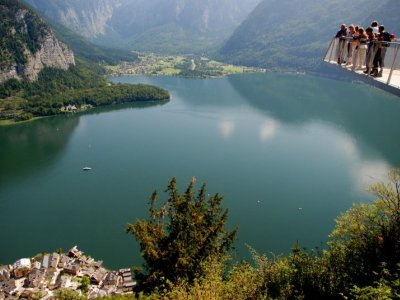
Hallstatt | Salzberg: Everyone needs a bit of excitement! 350 meters above the rooftops of Hallstatt: The spectacular viewing platform "World Heritage View" on the Salzberg (salt mountain). A must to be experienced!
Restaurant in the Rudolsturm in Hallstatt
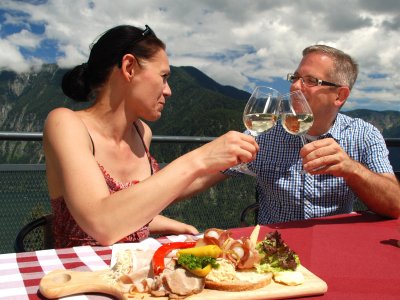
Sweet tooths will find everything their heart desires high above the old salt mining town. Double pleasure at a historical place ...
Themed tour ”Burial grounds“
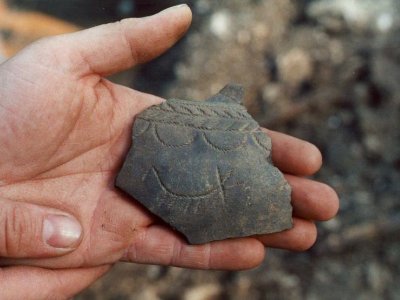
The year is 1846, when the salt mine manager Johann Georg Ramsauer discovered the Hallstatt burial ground on the Salzberg high valley.
Prehistoric Necropolis on the Salzberg
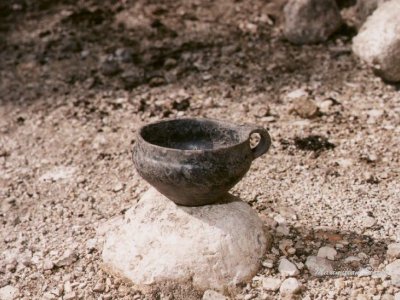
Hallstatt | Salzberg: Prehistoric necropolis situated at the elevated plain over Hallstatt, object of scientific research with over 4,000 graves that are still to be uncovered.
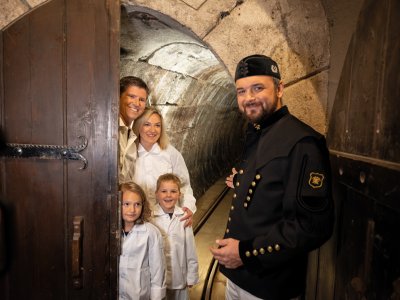
Guided tours & other events
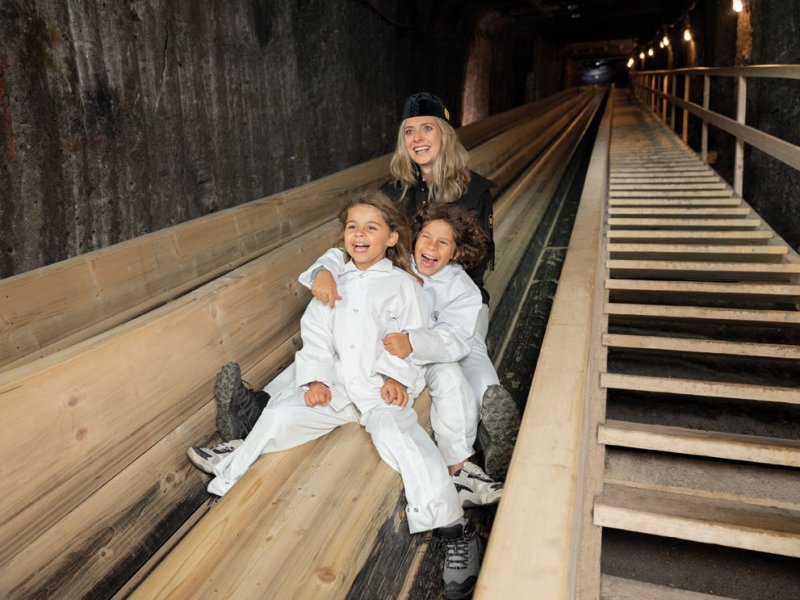
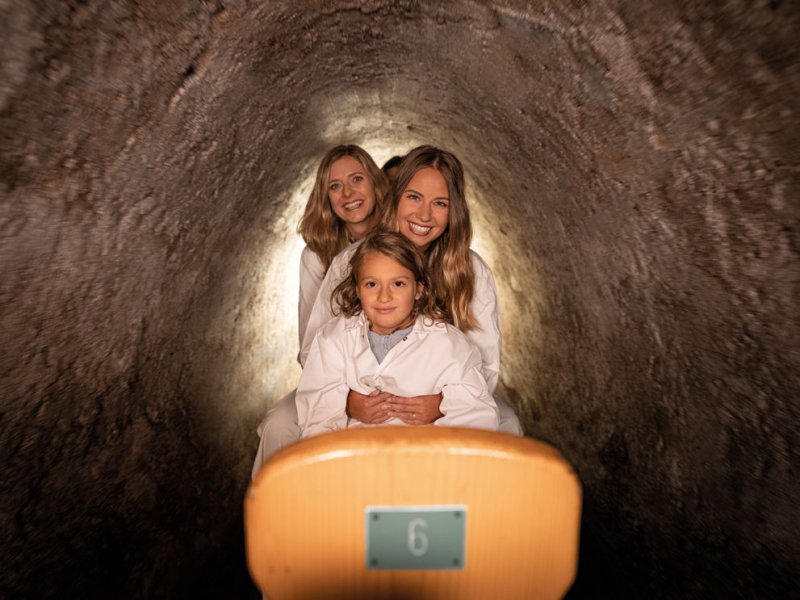
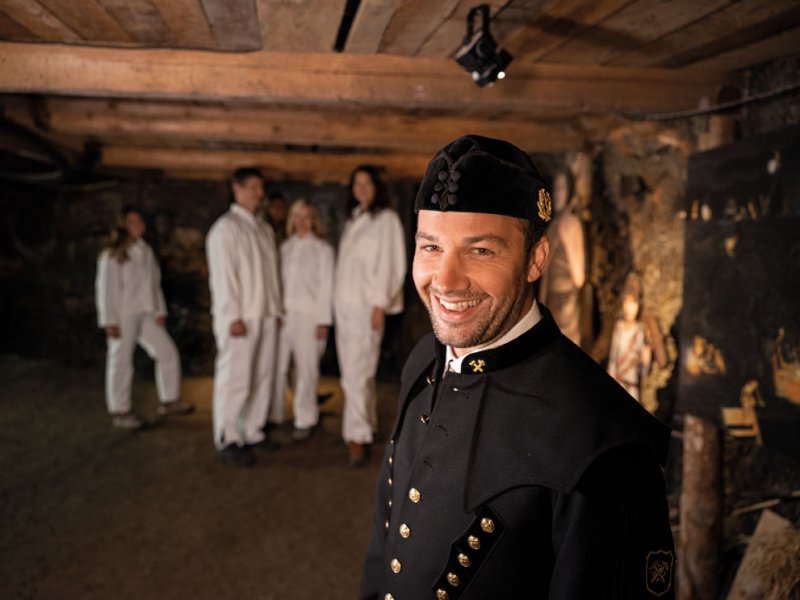
Daily tours through the Salt Mine "Salzwelten" in Hallstatt
Wed, Apr. 24, 2024 Salt mine (Salzwelten) Hallstatt, Hallstatt
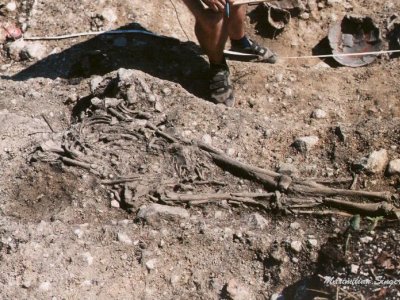
Live excavations in Hallstatt
Mon, Jul. 1, 2024 10:00 — 16:00 Salzberg , Hallstatt
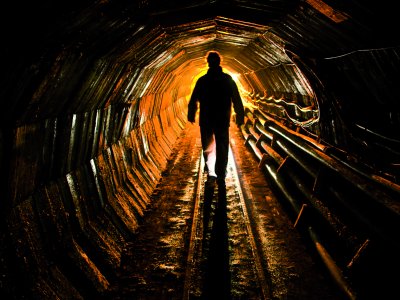
“Prehistoric Expedition” through the oldest salt mine of the world
Tue, Jul. 2, 2024 11:00 Salzberg , Hallstatt
Archaeologists & Restorers Live in Hallstatt
Mon, Aug. 19, 2024 10:00 — 16:00 Salzberg , Hallstatt
Search and Book
Hotels and accommodation providers in Hallstatt, Bad Goisern, Gosau and Obertraun offer the ideal room or apartment for your holidays, no matter what your tastes. Aside from establishments rated according to the international "star" scale, you will also find around Lake Hallstatt in Austria businesses that have been awarded two to four "edelweiss". The more flowers, the greater comforts you can expect. Whether you eventually find your cozy nest in an elegant 5-star luxury hotel, at comfortable guesthouse, a family-friendly apartment, or on a traditional farm, the choice is always entirely up to you.